







Search Results for: La Perla Farm
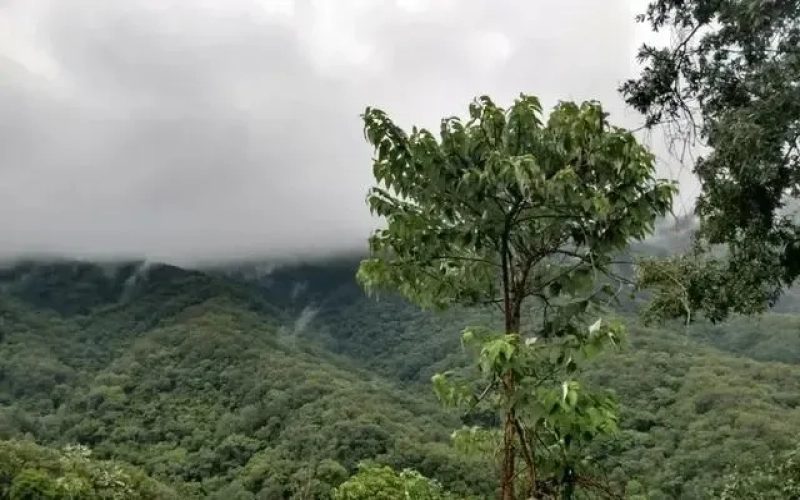
A Tour of Mexico's Coffee Industry: Terroir of the Veracruz Region and an Analysis of La Perla Farm
Mexico, as the world's tenth-largest coffee-producing country, has seen its coffee industry go through a winding journey from its introduction during the colonial period to its modern development toward specialty coffee. Thanks to its superior geographical and climatic conditions, the state of Veracruz has become one of Mexico's four core production regions, nurturing numerous high-quality estates. Among them, La Perla Farm won the 2024 Mexico Cup of Excellence washed category championship with a score of 90.79, growing varieties such as Bourbon, Geisha, SL28, and Pacamara. Front Street Coffee takes you deep into the terroir code and industrial transformation of this land. [more…]
Post-Harvest Processing of Coffee Cherries: Dry and Washed Method Workflow Characteristics and Hulling & Screening Analysis
Coffee cherries must be processed quickly after picking, otherwise the pulp is prone to fermentation and spoilage. Currently, two main methods are used: the dry method (natural process) and wet processing (washed method). In the dry method, the cherries are sun-dried directly or mechanically dried, then hulled in a drum and screened, with peaberries picked out separately; in wet processing, the fruit pulp is first washed off, then the beans are fermented in water for 36 hours, dried and hulled, and graded and packaged by size. Usually, washed beans are of better quality. Whether by hand or machine, screening can remove unripe and inferior beans, and high-quality producing countries have long been equipped with advanced sorting equipment. Front Street Coffee reminds you that understanding these steps helps you appreciate the flavor differences brought by different processing methods. [more…]
A Complete Analysis of the Flavor Characteristics and Harvest Season of Yunnan Small-Bean Coffee: From Ripening Cycle to Estate Prospects
Yunnan coffee is standing at a point of dual growth in both production and market, and Hu Lu, vice president of the provincial coffee industry association, remains optimistic about its prospects. This article will sort through the harvesting season, fruit structure, and peaberry characteristics of Yunnan small-bean coffee, as well as the regional differences in coffee ripening periods around the world, while also presenting the latest developments in Yunnan's coffee industry in terms of planting area and consumer market potential. For enthusiasts who follow Yunnan coffee flavors and origin stories, this information helps to provide a more comprehensive understanding of the journey of the coffee in the cup from branch to bean. [more…]
Panama Hacienda La Esmeralda Geisha Coffee Beans: A Comprehensive Analysis of Variety Traceability, Cultivation History, and Flavor Achievements
Hacienda La Esmeralda is a legendary coffee estate in the Boquete region of Panama, and it is precisely here that the Geisha variety rose to the world stage. From the Peterson family's purchase of it in 1967 as a retirement ranch, to winning the BOP championship with Geisha in 2004 and setting an auction record of $21 per pound, Hacienda La Esmeralda has written a bold and colorful page in the history of specialty coffee. This article will sort through the estate's planting and development history, its main cultivated varieties, the terroir conditions of the Boquete region, and the signature flavors of jasmine, peach, and orange that Geisha presents, and will introduce Front Street Coffee's recommended products from various lots of Hacienda La Esmeralda, taking you through a comprehensive understanding of this world-class star estate. [more…]
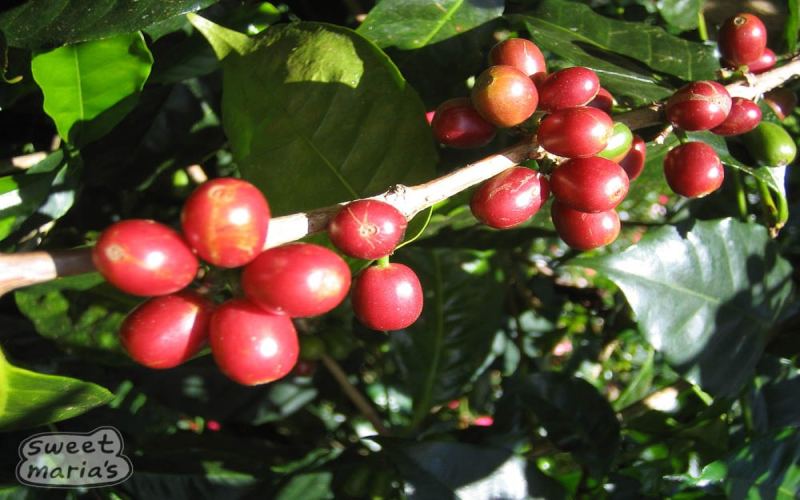
Panama Hacienda La Esmeralda Geisha Coffee: A Complete Guide to Golden Roast and Pour-Over & Siphon Brewing
Geisha coffee is famous for its elegant jasmine and genmaicha aromas, its sweet-and-tart layers of citrus and berries, and its pronounced juicy mouthfeel, and Panama is the place where it rose to fame. This article begins with the grade differences between Red Label and Green Label Geisha from Hacienda La Esmeralda, guiding you through Geisha's classic flavors, while focusing on Finca Janson—an ecological farm at 1,700–1,750 meters elevation with volcanic ash soil that was shortlisted for the Best of Panama award in 2013. The article not only analyzes Finca Janson's growing advantages and ecological conservation philosophy, but also provides pour-over and siphon brewing methods under a golden roast profile, and retains Front Street Coffee's curated recommendations, presenting coffee lovers with a complete guide from bean to cup. [more…]
Panama Geisha Washed vs. Natural Flavor Comparison: Analyzing the Differences Between Janson Estate and Hacienda La Esmeralda
Both are Panamanian Geisha, but just how big is the flavor difference between the washed and natural processing methods? And what are the distinctive characteristics of the Geisha from Hacienda La Esmeralda and those from Janson Coffee Farm? Starting with Janson Coffee Farm, this article provides a detailed overview of the flavor profiles of its natural and washed Geisha, the farm's background, and growing conditions, and compares them with the stylistic differences of Hacienda La Esmeralda. Janson Coffee Farm focuses mainly on domestic sales and ranks second in Panama for Geisha production; its washed Geisha won second place in the washed category at the 2013 B.O.P competition. The article also includes Front Street Coffee's recommendations and purchasing information, making it suitable reading for coffee enthusiasts who want an in-depth understanding of Panamanian Geisha. [more…]
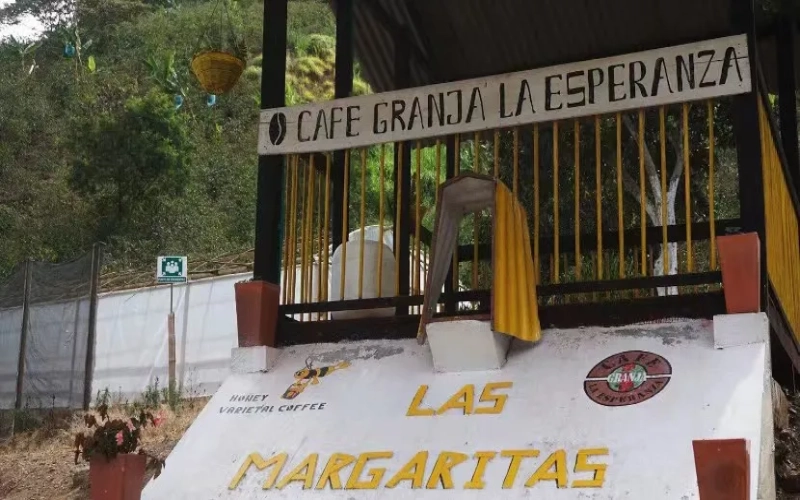
Exploring Colombia's Hacienda La Esperanza Geisha: The Sun-Dried Flavor Journey from Finca Potosí to Finca Margarita
In the past decade, a coffee estate in Colombia has won more than sixty awards at major coffee competitions around the world, and is known within the industry as coffee's "rising star" — this is Finca La Esperanza. From a couple acquiring Finca Posido to the family gradually expanding to five estates, and then in 2007 leasing the La Carreta farm in Boquete, Panama, and winning the BOP championship, the rise of Finca La Esperanza has been full of legendary color. This article will take you through the historical development of Finca La Esperanza, the terroir advantages of Cauca Department, and a tasting of a sun-dried Geisha from Finca Margarita, to experience the charm of flavors interwoven with blackcurrant, blueberry, and red wine. [more…]
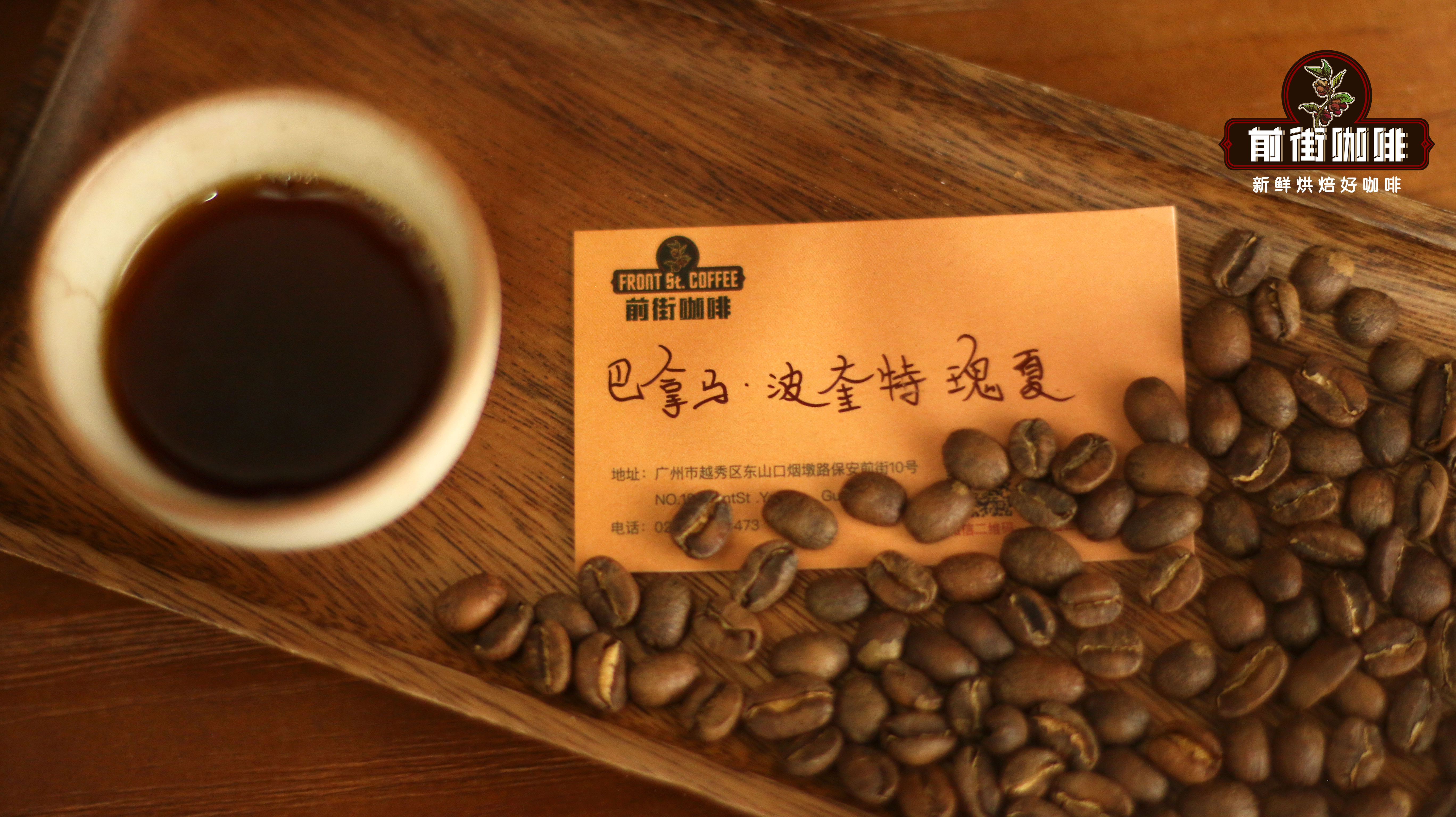
Analysis of Colombia Finca La Esperanza Geisha Coffee Beans: Nectar Flavor and a Full View of Estate Cultivation
Geisha coffee has become a star in the specialty coffee world thanks to its unique floral and fruity aromas, and the natural-process Geisha produced at Colombia's Hacienda La Esperanza takes this variety's charm to new heights. This article starts with a cup of La Esperanza's Margarita plot Geisha, sourced through Front Street Coffee, to guide you through La Esperanza's history, the distribution of its five sub-farms, the terroir advantages of the Cauca Valley producing region, and the estate's relentless pursuit of variety experimentation, meticulous harvesting, and processing. If you are a Geisha enthusiast, or are looking for an outstanding Colombian single-origin bean, this article will provide you with a complete reference. [more…]
A Complete Guide to Panama Hacienda La Esmeralda's Grading System: Flavor Profiles and Brewing Guide for Red, Green, and Blue Label Geisha Coffee Beans
Panama's Hacienda La Esmeralda is the discoverer and promoter of the Geisha flavor, and its grading system classifies Geisha coffee beans into different grades such as Red Label, Green Label, and Blue Label, becoming a quality benchmark in the specialty coffee world. Front Street Coffee's most expensive bean comes from here. This article will guide you through Hacienda La Esmeralda's geographical and climatic advantages, the layout of its four major farms, the logic behind its grading system, and the specific differences between Red Label, Green Label, and Blue Label Geisha in terms of cupping flavor and brewing performance. It will also introduce the Geisha characteristics of well-known Panamanian estates such as Janson and Hartmann, providing coffee enthusiasts with a complete reference for purchasing and tasting. [more…]
A Detailed Explanation of the Grade Classifications of Panama Hacienda La Esmeralda Geisha Coffee: Differences Between Red, Green, and Blue Labels and Cupping Flavors
Hacienda La Esmeralda in Panama is the discoverer and promoter of the Geisha flavor, and its original grading system classifies Geisha coffee into different grades such as Red Label, Green Label, and Blue Label according to altitude and cupping performance. From the perspective of Front Street Coffee, this article systematically reviews the four major brand systems of Hacienda La Esmeralda, explains in detail the origin, altitude, processing method, and flavor differences of Red Label (Esmeralda Special), Green Label (Private Collection), and Blue Label (Geisha 1500), and also introduces the climatic advantages of Panamanian coffee, the characteristics of Janson Estate and Hartmann Estate, as well as Front Street's roasting approach, brewing parameters, and cupping performance for three Geisha coffees, providing coffee enthusiasts with a complete guide to Geisha grades. [more…]
Panama Hacienda La Esmeralda Geisha Coffee Beans: Grading, Roasting, Flavor Analysis, and Origin Introduction
Panama, as a coffee-producing country in Central America, nurtures exceptional specialty coffee through its unique microclimates and fertile volcanic soil. Among these, the Geisha variety from Hacienda La Esmeralda has sparked a revolution in the specialty coffee world, repeatedly setting auction records. This article provides a detailed introduction to Panama's coffee-growing environment, the history of Hacienda La Esmeralda, the flavor characteristics of Geisha coffee, and the Geisha situation in Guatemala's Acatenango growing region, offering a comprehensive understanding of this legendary coffee variety. [more…]
Colombia 2011 COE Champion Estate: Full Analysis of Spring Estate Coffee Flavor and Origin
Colombia, as the world's third-largest coffee-producing country, nurtures countless specialty coffees thanks to the diverse microclimates and high altitudes of the Andes. In 2011, a tiny 2.8-hectare farm—Finca La Primavera—claimed the COE championship with a record-breaking price of $45 per pound. It belongs to the Los Naranjos Coffee Association and is carefully managed by farm owner Arnulfo. This article takes you deep into the industrial background of Colombian coffee, the ecological processing innovation, and the cultivation details, cupping flavors, and judge comments of Finca La Primavera. Front Street Coffee especially recommends this champion farm bean, with rich layers from almond and longan flower tea to grapefruit acidity—worth savoring slowly by coffee lovers. [more…]
Why Does Panama Geisha Dominate the Specialty Coffee World? A Full Analysis of the Geisha Variety and Hacienda La Esmeralda's Red and Green Label Grades
In the world of specialty coffee, Panama Geisha is almost synonymous with top-tier flavor. Whenever we chat with guests at Front Street about Geisha, Panama is often the first place that comes to mind. Although countries like Costa Rica, Colombia, and Guatemala also produce excellent Geisha, Panama's status remains hard to shake. Behind this are unique terroir conditions, the meticulous craftsmanship of highly skilled coffee farmers, and, crucially, Hacienda La Esmeralda's strict grading and promotion of Geisha. This article will walk you through the historical context of Panamanian coffee, the microclimate advantages of the Boquete growing region, and the specific divisions of Hacienda La Esmeralda's Red Label and Green Label grades, along with Front Street's selection recommendations. [more…]
Panama Hacienda La Esmeralda Geisha Coffee Analysis: Esmeralda Estate Grading, Pour-Over V60 Parameters, and Flavor Characteristics
Geisha coffee is renowned worldwide for its elegant floral aroma and complex fruit notes, and Hacienda La Esmeralda in Panama played a key role in its spread. This article starts from Front Street Coffee's Geisha product lineup, outlining the grading logic of Red Label and Green Label, cupping performance, and origin information, while also introducing Hacienda Janson's ecological cultivation background and its shortlisting experience in the 2013 Best of Panama coffee competition. At the end, it includes a V60 three-pour hand-brewing method designed by Front Street Coffee's baristas specifically for Geisha beans, including water temperature, coffee-to-water ratio, and pouring rhythm, to help enthusiasts more fully bring out the sweet-tart layers and juicy character of this bean. [more…]
An In-Depth Analysis of Panama Hacienda La Esmeralda Geisha: Flavor Differences and Brewing Tips for Red, Green, and Blue Labels
Geisha has long been exalted by many coffee lovers, and Panama's Hacienda La Esmeralda is the starting point from which this variety rose to worldwide fame. This article traces the evolution of Hacienda La Esmeralda from Palmira Farm to a specialty coffee legend, explains in detail the specific differences among the three grades—Red Label, Green Label, and Blue Label—in terms of altitude, plot, processing method, and cupping performance, and includes information on the Geisha products currently sold by Front Street Coffee as well as staged brewing parameters, to help you sort out the basic logic of buying and tasting Geisha. [more…]
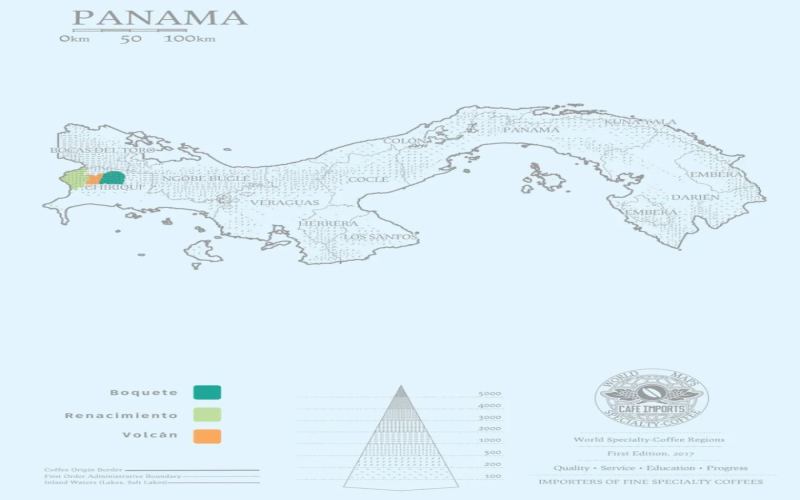
Exploring Panama's Boquete Region: A Comprehensive Analysis of Hacienda La Esmeralda's Green Label Washed Geisha
Since Geisha rose to fame in the Best of Panama competition in 2004, it has become a highly sought-after variety in the global coffee world, repeatedly setting price records at major auctions. Panama, as the core producing region of Geisha, has its Boquete area gathering numerous top estates, among which Hacienda La Esmeralda is undoubtedly the most representative name. This article will take you into a deeper understanding of Hacienda La Esmeralda's regional advantages, plot divisions, and Geisha brand system, with a focus on introducing the flavor performance of the Green Label Washed Geisha, while also sharing Front Street Coffee's brewing experience, providing coffee enthusiasts with a detailed reference guide. [more…]
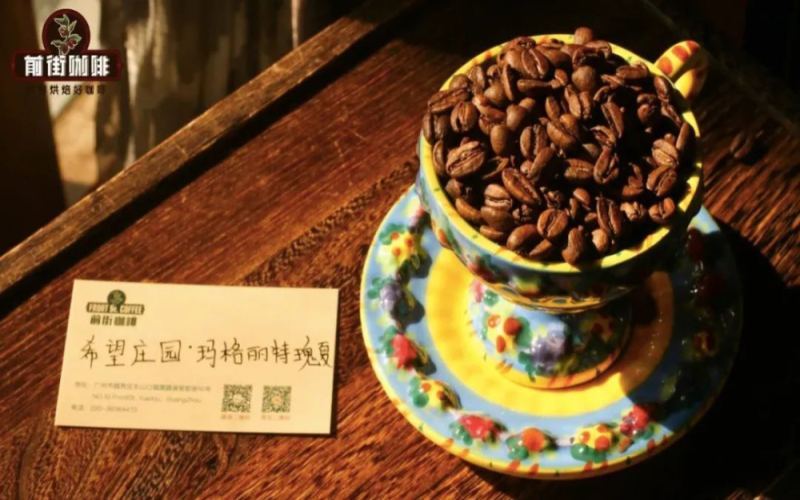
A Complete Guide to Hope Estate in Colombia's Cauca Valley: Flavor Profile and Origin Story of Natural Geisha Coffee
Front Street Coffee recently introduced a natural Geisha from Colombia's Cafe Granja La Esperanza, which when brewed presents aromas of blueberry and smoked plum, with layers of blackcurrant juice, orange, and berries on the palate, a rich juicy mouthfeel, and a red-wine-like finish. Cafe Granja La Esperanza occupies an important place in Colombia's coffee landscape, encompassing five sub-estates and having accumulated more than sixty awards in global competitions over the past decade. This article will trace the estate's history, plot distribution, variety experiments, and processing techniques, and analyze the source of its Geisha coffee's flavors. [more…]
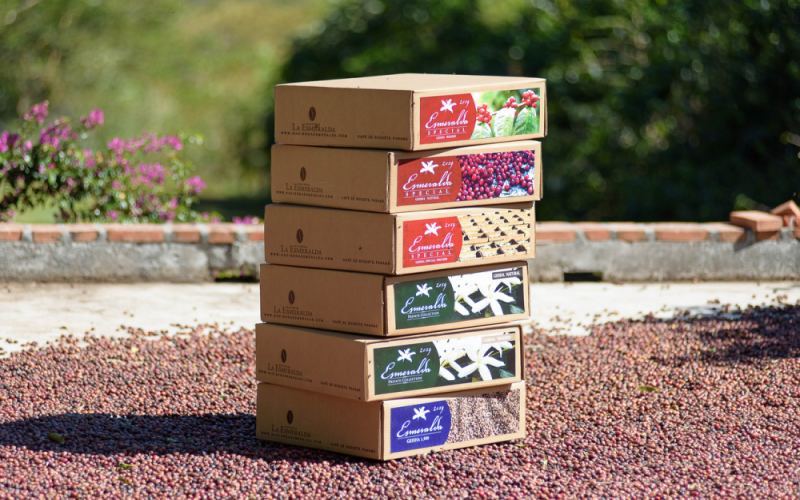
Exploring Panama's Hacienda La Esmeralda Diamond Mountain: The Specialty Coffee Flavor and Aroma Shaped by Washed Processing
When people mention Hacienda La Esmeralda in Panama, most first think of Geisha. However, this legendary estate also has a coffee brand called "Diamond Mountain," based on varieties such as Catuai, Typica, and Bourbon, grown on volcanic slopes at elevations of 1,400 to 1,700 meters in the Boquete production region. Although Diamond Mountain is not as expensive as Geisha, it equally embodies the estate's commitment to quality and sustainable operation. This article will start with the history and cultivation background of Hacienda La Esmeralda, sort out the origins of Diamond Mountain and the estate, analyze its variety characteristics and natural processing techniques, and present Front Street Coffee's actual flavor description, introducing you to this approachable yet richly layered specialty coffee. [more…]
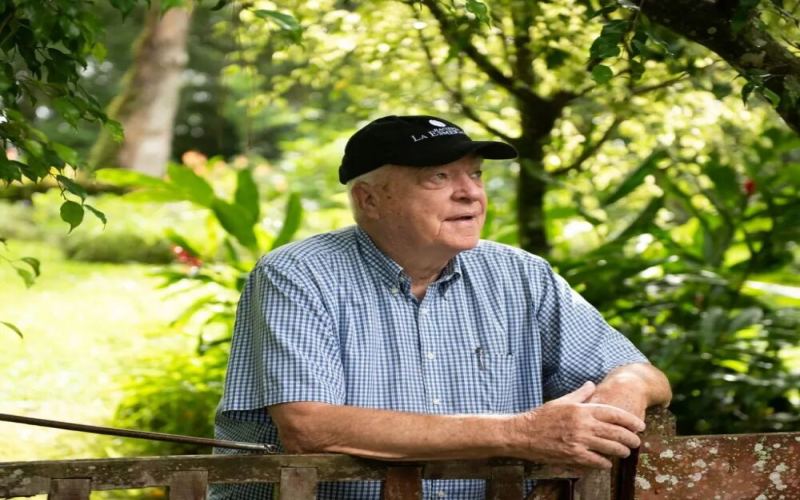
Panama Hacienda La Esmeralda | Is Diamond Mountain coffee a Geisha variety? What grade are Diamond Mountain coffee beans? How does sun-dried Diamond Mountain coffee taste?
Panama - La Esmeralda Diamond Mountain. Introduction to coffee cultivation at La Esmeralda Estate. La Esmeralda Estate is located on the outskirts of Boquete in southwestern Panama. When it was first established, it was a diversified farm, with coffee only [more…]
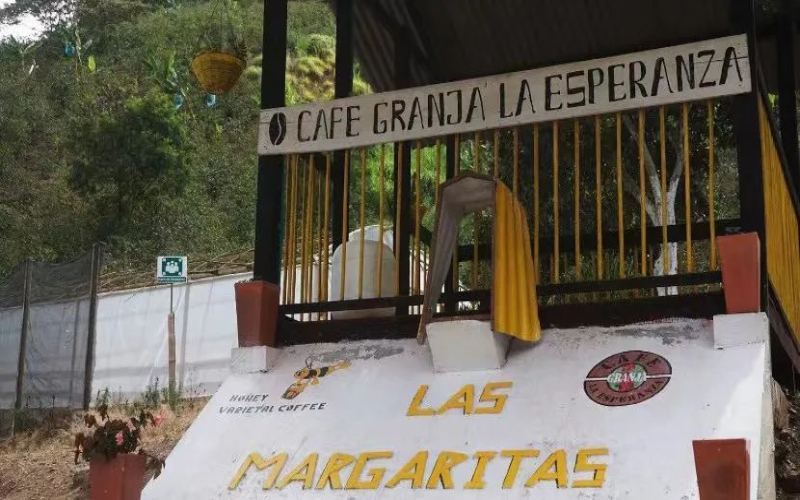
Colombia's Finca La Esperanza and Cerro Azul: A Deep Dive into a Family's Coffee Empire and Geisha Flavors
Cafe Granja La Esperanza frequently appears in coffee competitions and rankings, but it is not a single estate—rather, a coffee family brand made up of several farms. It began when the couple Blanca Ligia Correa and Juan Antonio Herrera acquired Finca Potosí, and the family gradually expanded its holdings to five estates, including Margaritas, Cerro Azul, and Hawaii. In 2007, family member Rigoberto won the BOP championship in Panama, and subsequently introduced Geisha to Colombia, opening a glorious chapter for Cafe Granja La Esperanza. This article provides a comprehensive look at this sun-dried Geisha from the high altitudes of Cauca Department, covering the family history, the terroir of the producing region, and Front Street Coffee's cupping experience. [more…]